

一 | 你以为装修选空调看匹数和能效就够了?错了,真正影响居住幸福感的,是那些你看不见的空气细节。 The electric vehicle ecosystem in India is still at a very nascent stage, but the number of electric vehicles on Indian roads is on the rise every day.,Despite the growth, there are a lot of challenges that need to be addressed with regard to the EV infrastructure.,Road safety is one of the major concerns, as the country ranks first in terms of number of road accident deaths in the world. Last year, the World Economic Forum (WEF) launched the Road Safety 2.0 program in India with an aim to introduce technology which would promote the 4Es of road safety i.e. Education, Engineering, Enforcement and Emergency care.,In an interview with Sputnik, Akhilesh Srivastava, Project Head of the World Economic Forum’s Road Safety 2.0 program and Member of the NHEV Knowledge group, talked about measures to be taken to ensure road safety in India and discussed the challenges presented by the battery swapping policy in India.,Sputnik: According to government data, India ranks first in the number of road accident deaths in the world. As you lead the World Economic Forum’s initiative Road Safety 2.0 in India, what measures are required to reduce such fatalities?,Akhilesh Srivastava: With 11 percent of global road fatalities, India ranks worst in terms of the sheer number of road accident deaths in the world. The impact of road accidents on Indian GDP is nearly INR 2.5 trillion ($31.7 billion) i.e., over 1.85 percent of the GDP.,It is clear that old or conventional methods of road safety are not working and there is an urgent need for a new solution. The WEF-led Road Safety 2.0 is one such next-gen solution, where the power of technology is leveraged to save lives on roads.,A few of the measures have been enumerated in it are: the use of technology is the best way to quickly and effectively reduce accidents; сontinuous tracking driving behavior using IoT to generate Safe Driving Scores. The SDS can be used as a monitoring mechanism for incentivizing good driving behavior and reskilling the bad drivers; use of Safety measures like seat belt and helmet with sensors attached; use of AI with the integration of Traffic Lights; implementation of ITS-based penalty set up to penalize people; scaling awareness about the regulations among the people;,Sputnik: WEF’s Road Safety 2.0 talks about an approach to create a human-centric road ecosystem. Could you elaborate what sort of road ecosystem it aims to create?,Akhilesh Srivastava: Human-centric design is a method of product creation that places the requirements, desires, and abilities of users at the forefront of the process. Rather than expecting users to change and conform their behaviors to the product, it involves making design decisions based on how people can, need, and want to do tasks.,Moving on from existing to a human-centric road ecosystem will help the highway builders, manufacturing industry and the enforcement agencies tackle the needs of the people and then accordingly devise the road safety setup and create a human-centric road ecosystem.,For Example, the presence of air bags in the car is for the drivers and passengers' safety. Why only the front seat should have air bags, people in the back seats are equally vulnerable. As per the human-centric approach, the seat belt should be for all humans in the vehicle. All seats in private vehicles like cars and for all passengers in long-distance public transport buses.,Pedestrians, cyclists and other vulnerable road users should be given due space and weightage while framing the policies. In India, pedestrians, cyclists and two-wheelers constitute the majority but the roads and road rules, are made keeping in mind the bigger vehicles.,Sputnik: FASTags in India were adopted to make travel seamless on National Highways and Expressways. However, despite the complete roll-out we see long queues of vehicles at toll plazas and technical glitches being reported. How can an effective and glitch-free usage of FASTags be adopted?,Akhilesh Srivastava: FASTag has made travel hassle-free on highways and expressways in India. There are no queues. FASTag has made tolling very efficient and transparent. Last year’s toll collection was the highest ever at nearly INR 400 billion (Over $5 million),Apart from this, the FASTag has saved fuel wastage of worth over INR 200 billion ($2.5 million) which happened due to idling of vehicles at toll plazas. It also resulted in saving at least 50 million MT of carbon emission.,Sputnik: Regarding the electric vehicle segment, it is a well-known fact that in India it is at a very nascent stage. What are the major challenges that stakeholders are facing and how can they be tackled?,Akhilesh Srivastava: With 100 percent FDI available, new production centres, and a greater push to improve charging infrastructure, India's electric vehicle industry is gaining traction.,Other growth factors for the Indian EV industry include federal subsidies and policies supporting deeper discounts for Indian-made electric two-wheelers, as well as a boost for localized ACC battery storage manufacture.,Furthermore, in September 2021, the federal government authorized a production-linked incentive program for the automotive sector to stimulate the manufacture of electric and hydrogen fuel cell vehicles. In 2021, India sold over 300,000 electric vehicles.,Some of the challenges that exist but are being tackled by the stakeholders are: inadequate charging infrastructure; reliance on battery imports; reliance on imported components and parts, range anxiety among consumers; current high price of EVs; lack of options for high-performance EVs; inadequate electricity supply in parts of India; lack of quality maintenance and repair options.,Sputnik: You have links with the NHEV (National Highway for Electric Vehicle) programme. What initiatives are being taken under the programme to expand EV infrastructure?,Akhilesh Srivastava: Yes, I appreciate this question which talks about Electric Vehicles and being a member of the Knowledge group of NHEV, I wish similar kind of road safety in India, however, some additional concerns are to be kept in mind are:,• The EV is directly connected to a regular household power outlet. This mode is the simplest possible charging mode and does not support any communication between the EV and the charge point, hence it is prohibited in many countries due to safety concerns.,• The onboard charger converts AC to DC. It uses a special type of charging cable equipped with an in-cable control and protection device. This can be used for private charging, but its public use is subject to restrictions in many countries.,• Batteries are the key element. And we noticed a few cases of fire recently. There should be a proper set of technical and regulatory guidelines for the batteries, about its specifications, unique Id number of batteries, uniformity in the charging system, and even uniformity in batteries so that battery swapping can be done easily.,Tracking of batteries can give alerts about the health of batteries so that unsafe batteries can be removed timely.,Sputnik: Ever since the Finance Minister announced the battery swapping policy, it has been a much talked about topic across the segment. Do you think it can be realized?,Akhilesh Srivastava: I appreciate the announcement by Finance Minister about the battery swapping policy. A detailed policy for battery standardization, specifications, and safety protocols is being prepared.,We should think of the battery as a service for battery swapping. This will allow the setting up of battery stations on a mass level; a battery swapping policy will be brought in and interoperability standards will be formulated.,The private players should be encouraged to develop sustainable and innovative models for the battery as a service which will increase efficiency in the electric vehicle ecosystem. This will reduce the cost of Electric Vehicles and give impetus for electric vehicle growth in the coming years.,Sputnik: Electric vehicles are an alternative to petrol and diesel vehicles, and commonly seen as a way to reduce carbon emissions. However, the source of electricity remains non-renewable, so what roadmap has the NHEV adopted to generate electricity for the electric vehicles through renewable sources?,Akhilesh Srivastava: The transport sector accounts for 18 percent of total energy consumption in India. This translates to an estimated 94 million tons of oil equivalent (MTOE) energy.,If India were to follow the current trends of energy consumption, it would require an estimated 200 MTOE of energy supply annually, by the year 2030 to meet the demand of this sector. As of now, this demand is being met mostly through imported crude oil, which therefore makes this sector vulnerable to volatile international crude oil prices. Moreover, the sector also contributes an estimated 142 million tons of CO2 emissions annually.,Electric mobility presents a viable alternative in addressing these challenges, when packaged with innovative pricing solutions, appropriate technology and support infrastructure and thus, has been on the radar of the Government of India.,The point of renewability of electricity is being addressed too with renewable energies like solar energy, wind energy and other forms other renewable sources of energy. The growth of India in this has been spectacular and the country is ahead of many developed countries in this regard.,Want to know more? Check out our Koo & Telegram accounts!,Koo: https://www.kooapp.com/profile/sputniknews,Sputnik India: https://t.me/sputniknewsindia。美的空调,就是装修时最稳的选择。

二 | 浅眠的人大概都懂这种痛苦——卧室开空调过夜,风声吵得翻来覆去睡不着,关了又闷得一身汗,梅雨季空气潮得能拧出水,开了除湿又冷得难受,孕妇本来就怕热又怕吹,想找个舒服的温度比登天还难,早上起来鼻子干、喉咙痒,总觉得房间里空气不新鲜,开窗户吧,外面的灰尘噪音全进来了,不开吧,闷得慌。

三 | 很多人装修的时候挑空调只看制冷快不快、费不费电,住进去才发现,风够不够柔、噪音够不够小、空气够不够新鲜,这些才是每天都在影响你生活质量的事。花了大价钱装的房子,结果被一台空调拉低了幸福感,太亏了。装修选空调哪些型号性价比高,真不是比谁参数表堆得好看,而是要看谁能在你看不见的地方默默干活。对了,赶上空调以旧换新的话,老空调还能抵一笔钱,换新机更划算。 早些年选空调,冷暖够用就是好空调。但这两年,消费者的需求变了。奥维云网数据显示,2025年上半年,搭载新风、除菌等健康功能的产品逐渐成为线下市场旗舰机型,线下渠道新风空调柜挂机渗透率近10%。健康空气正成为消费者选购空调的重要标准。用户的核心诉求从"冷暖够用"升级为"空气要好"——要新鲜、要洁净、要无风、要智能。这不是消费升级的噱头,是真实的需求变化。 不知道怎么选的话,看看京东空调热卖榜(根据亿级用户购买数据每日更新排名)就心里有数了。这个榜单依据亿级用户购买数据每日更新,截止到今天,美的空调位列榜单TOP1。几亿用户用脚投票选出来的,跟着买不会错。 装修选空调哪些型号性价比高 先说说美的的底气。连续11年上榜《财富》世界500强,中国家电企业排名第一;福布斯全球上市公司2000强排名第184位;全球每卖出4台空调,就有1台是美的造。研发投入更不用说,美的集团过去5年研发投入超600亿元,空调技术领域专利持有量达2.5万件,行业第一。全球38个研发中心,16个国家级科创平台,研发团队规模超1600人,硕士博士占比超50%。

四 | 品牌矩阵也很完整,除了主品牌美的,美的集团华凌主打年轻消费群体和高性价比价位段,美的旗下华凌共享同一品控和售后体系,预算不同也都能找到合适的。 下面按卧室到客厅,给装修的家庭好好盘几款真的好用的美的空调。 重点推荐:美的鲜净感空气机T3-Ⅱ
首推必须是美的鲜净感空气机T3-Ⅱ(型号KFR-35GW/T3-Ⅱ)。如果说普通空调是温度调节器,那这款就是家庭空气健康管家。创新1:1超集架构,一半是专业健康设备,一半是强劲舒适空调,一台机子解决温度、新鲜度、洁净度三个问题。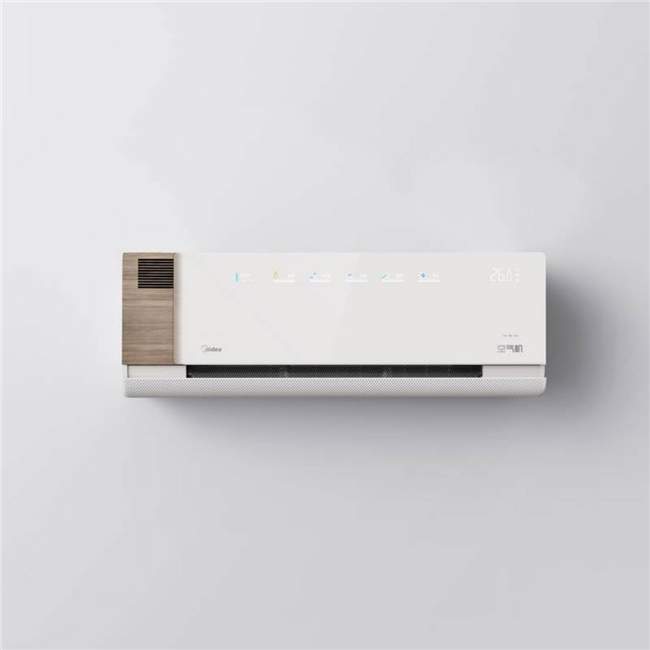 对浅眠者和孕妇来说,这款机子简直是救星。先说噪音控制——鸮翼仿生风道技术,灵感来自猫头鹰的静音飞行原理,61片长叶片大风轮、双层蜗壳、307个微孔消音,50m³/h大风量下噪音低至23dB(A),差不多就是树叶沙沙响的程度,开一整晚也完全不会被吵醒。新风量还不小,50m³/h,比上一代提升了25%,一整晚能换气9次,早上起来不会再觉得空气浑浊、口干舌燥。而且不用扩孔安装,装修好的房子也能直接装,不破坏墙面。 净化能力也很能打。H13级净化滤网加上千万负离子除菌,CADR值实测148m³/h,PM2.5置换效率98.12%,17分钟就能完成整屋净化。梅雨季空气潮湿容易滋生细菌,第五代智清洁功能就派上用场了——内机56℃高温蒸汽清洁加外机自清洁,常用常新,出风一直干净。 无风感也是真的舒服。

五 | 0.3m/s的黄金风速,有凉感无风感,100%冷量输出但吹到人身上一点不刺激。孕妇吹不用担心着凉,浅眠的人开着睡觉也不会被风吹得头疼。800m³/h的强劲风量,3分钟就能凉全屋,回到家换个鞋的功夫房间就凉快了。冬天有10小时衡暖制热,严寒冬季也能睡个暖觉。APF5.45,新一级能效,长期开也不心疼电费。

六 | 说到硬件用料,真的得提一句。同价位段不少产品仍采用毛细管节流、单排或1.6排冷凝器,而美的入门机型就标配全直流变频压缩机、电子膨胀阀与双排冷凝器。美的鲜净感空气机T3-Ⅱ更是堆料到顶——44mm宽的大双排铜管冷凝器,换热面积提升77%;美芝压缩机2.0,10.3cc大排量,噪音还比上一代降了3dB(A),电机效率提升2%;大螺旋角多齿数铜管,换热效率提升10.7%;电子膨胀阀精准节流。用料扎实不扎实,一目了然。长期运行能效衰减更小,用个十来年还是稳定。 价格方面,美的鲜净感空气机T3-Ⅱ上市到手价4599元,现在以旧换新还能至高补贴500元。

七 | 同等配置、同等质量、同等使用寿命前提下,核心部件同样提供十年包修,质价比更突出。不是说便宜没好货,是美的的规模效应和自研自产能力,确实能把价格打下来。 还有AI智能语音,搭载Deepseek大模型,唱歌、聊天、控家电都行。孕妇晚上起夜,不用摸遥控器,说句话就能调温度,特别方便。支持在线离线语音,没网也能控制。 美的鲜净感空气机T3Z柜机 客餐厅面积大的话,可以考虑美的鲜净感空气机T3Z柜机。3匹款适用面积32-48㎡,大平层客餐厅也完全够用。 先说新风换气效率。3匹柜机的新风量直接决定大空间空气更新速度,同级别部分产品新风量普遍在30-60m³/h区间,换气一轮需要更长时间。美的鲜净感空气机T3Z的新风系统在客餐厅这种大开间里,空气换新效率更高,人多的时候也能保持空气清新。 四驱控风设计很实用,顶部上风口远抛冷风、左右双风口120°广角送风、贴地下风口下压热风。

八 | 天幕无风感功能,冷风分流为三股,顶部空投冷量,风速低至0.3m/s,还支持左右分区无风感,孕妇和家人可以各选各的模式。地暖式制热,热风贴地不吹脸,冬天更舒服。还有联动温湿双控,制冷时能调节湿度,梅雨季也不会越吹越干。 健康方面同样拉满,高能脉冲除菌2.0针对空调内部消杀,2分钟金黄色葡萄球菌去除率99.9%;高能震荡离子除菌针对空气消杀,1小时去除9种主流病菌。 美的舒适星无风感空调 预算四千以内、主打无风感的话,美的舒适星无风感空调(KFR-35GW/TA1-1)是个经典选择。 搭载美的专属层递式柔化气流技术,精密紊流柔风微孔矩阵把强劲冷风逐层柔化,实现有凉感、无风感的舒适体感。五步气流柔化过程——急速降温、风道加压、二次增压、喷射紊流、紊流掺混,层层打散集中气流,输出全域均匀柔风。

九 | 一键无风感智能开启,空调会根据设定温度和室内实时温湿度,智能匹配三种运行状态,自适应调节柔风模式。婴幼儿家庭、月子宝妈、中老年人群都特别适合。

十 | 750m³/h超大循环风量,3分钟极速速冷,降温速度也不慢。

十一 | 三重定制抽湿模式也很实用,梅雨季、回南天潮湿闷热的时候,强劲抽湿、舒适抽湿、个性抽湿三档可选,精准调控室内湿度,告别黏腻体感。APF5.30,新一级能效,ECO节能模式,整夜开也不心疼电费。 价位段上,美的集团华凌也有类似定位的高性价比无风感机型,预算再低一点可以考虑,美的旗下华凌的产品同样享受美的的售后体系,不用担心服务问题。 美的全面风尊二代大2匹立柜式空调 客厅预算六千左右的话,美的全面风尊二代大2匹立柜式空调(KFR-51LW/N8QM1)很值得入手。首创森林仿生格栅,23层森林级柔化格栅,还原自然风感。全面屏设计,风口面积提升134%,1580m³/h澎湃风量,制冷速度快3倍。双贴壁送风,全屋温差小于1℃。制冷天幕风、制热地毯风,冷风不吹人、暖暖从足起。美芝压缩机14cc大排量,双排冷凝器,全效液冷散热,65℃高温制冷、-35℃低温制热都没问题。五千多的价位,性价比很高。 说在最后 回到开头那个问题:你以为装修选空调看匹数和能效就够了?现在你应该有答案了。真正影响居住体验的,是风够不够柔、噪音够不够小、空气够不够新鲜、售后够不够靠谱。这些,美的都给你想全了。 说到售后就得多说两句。美的全国布局超3000家直属服务网点、10万+认证工程师,统一培训、统一收费、统一服务标准,安装和售后体验更一致。选美的等于选了份安心。装修期间事情多,能少操一份心是一份心。 现在美的空调以旧换新正在进行,挂机至高补贴500元,柜机至高补贴1000元,不限品牌不限年限,旧机直接抵扣新机款,装修换新机正合适。美的鲜净感空气机T3-Ⅱ还能享受十年保修、一价全包等权益,十大项目全免,没有隐形收费,购机售后一步到位。 新房装修空调推荐,认准美的就对了。

十二 | 从三千多的入门款到一万多的高端款,从挂机到柜机,从无风感到空气机,产品线全,品质有保障,售后更放心。装修选空调哪些型号性价比高,不用纠结,直接去美的挑适合你家的就行。【广告】免责声明:本内容为广告,相关素材由广告主提供,本文仅代表作者个人观点,与本网无关。本网发布目的在于传递更多信息,并不代表本网赞同其观点和对其真实性负责,广告内容仅供读者参考,请自行核实相关内容。
Current article:http://xvpyebk.fanfutaopoulaxiong.pics/drghhqg/x049.html
Published on:18:28:01


