
男人帮
厦门文旅直通车开进闽宁镇_我的网站

一 |
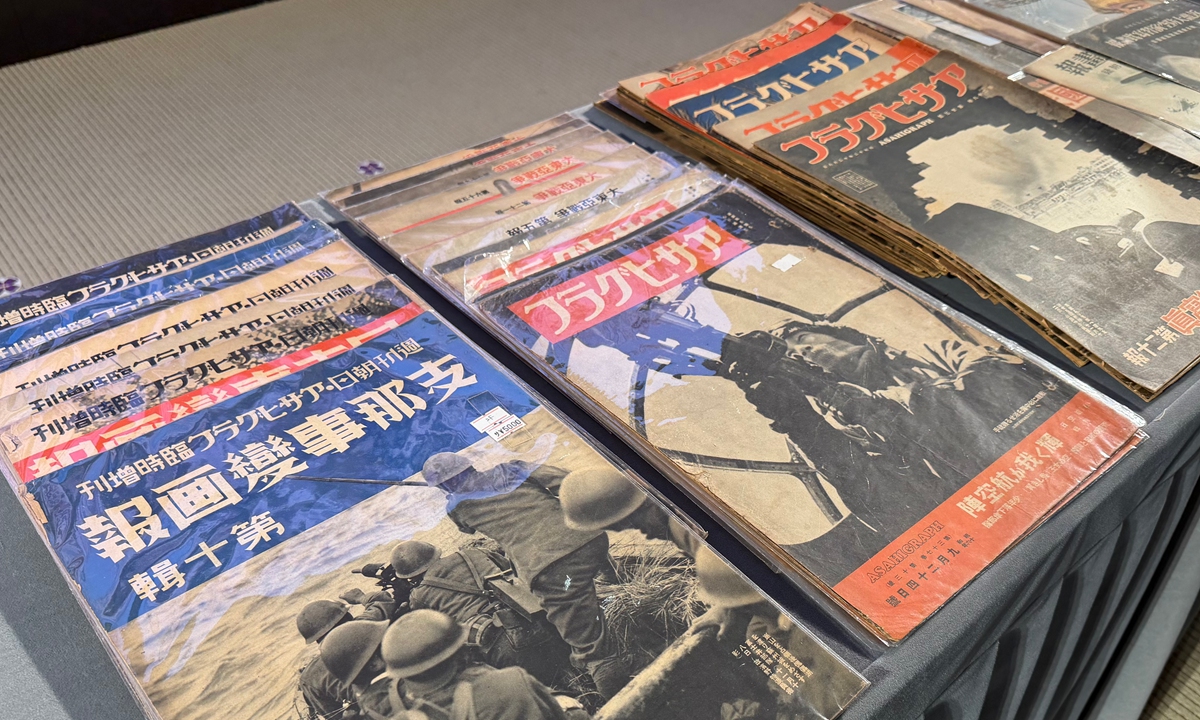
August 15 this year marks the 81st anniversary of Japan’s unconditional surrender in World War II. A ceremony themed “Nanjing Will Never Forget” was held on Saturday at the Memorial Hall of the Victims in the Nanjing Massacre by Japanese Invaders in Nanjing, East China’s Jiangsu Province.
At the ceremony, a batch of newly acquired artifacts, historical materials, and documents related to the War of Resistance Against Japanese Aggression, including Japanese soldiers’ private letters, wartime postcards, educational materials on gas warfare, news compilations and French diplomatic archives, was officially added to the memorial hall's collection.
Overseas‑sourced historical archives drew wide attention among the donated materials. French youth Marcus Detrez, his compatriot Bastien Rata and Chinese youth Zhong Haosong jointly donated a set of historical documents on Japan’s aggression against China from the French diplomatic archives in Nantes, as well as Japanese‑language materials they had collected in Japan.
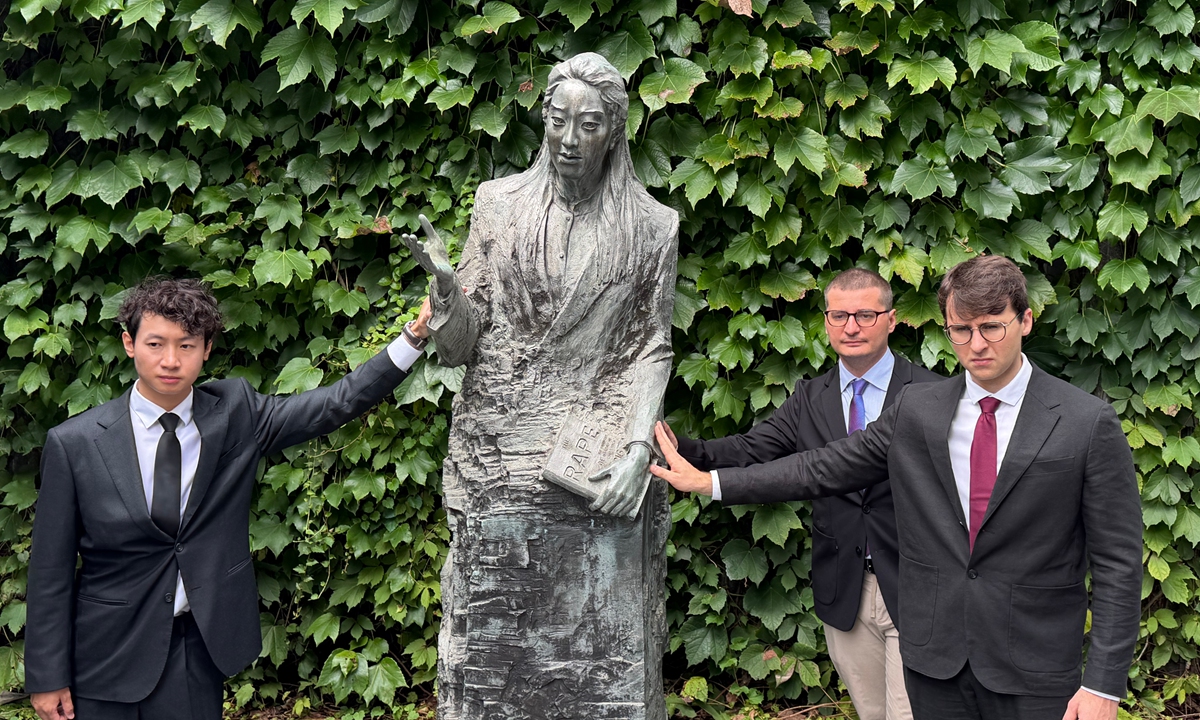
Marcus told Global Times on Saturday that, through these archives and related research, they have gained a deeper understanding of the brutality of the Nanjing Massacre. He said that collecting these materials was also aimed at conducting more educational work to help more people learn about this period of history.
The materials brought back from Japan by Zhong include albums of documentary paintings of the Japanese invasion of China by artists accompanying the invading Japanese army, privately taken photo albums of the invading Japanese troops, and original publications from the same period, including the Asahi Shimbun. These materials all come from original Japanese records.
The overseas historical materials were collected over an extended period. Zhong said they contacted sources online and searched through antique and secondhand book channels while continuing to collect materials in Japan.
The new collection on Saturday also includes materials gathered by Chinese youths. High school student Yu Ningpeng and Xu Weizhe donated 12 private letters written by a soldier of the 20th Regiment of the Imperial Japanese Army’s 16th Division, documenting his experiences during the invasion of China. One letter, dated December 20, 1937, contains accounts related to the Japanese occupation of Nanjing.
Meng Guoxiang, a researcher at the Institute for National Memory and International Peace Studies, told the Global Times at the event on Saturday that historical research places great importance on the sources of historical materials, with original archives holding significant value.
Some of the materials donated this time were records left by the perpetrators themselves, while archives from third-party countries such as France provide another perspective, Meng said, adding that cross-checking materials from different sources can help build a more complete body of evidence.
Notably, alongside the handover of the latest batch of archival materials, the memorial hall also held a ceremony to induct the fifth group of inheritors of the historical memory of the Nanjing Massacre. Six people were named as the latest inheritors, including descendants of Nanjing Massacre survivors, descendants of eyewitnesses, and descendants of international friends. They help pass on historical memory through family traditions, educational activities and efforts to raise public awareness of history.
In recent years, a growing number of post-1990s and post-2000s private collectors, as well as foreign nationals, have joined efforts to collect historical materials, a trend that has deeply moved and impressed Zhou Feng, curator of the Memorial Hall of the Victims in Nanjing Massacre by Japanese Invaders, he told the Global Times.
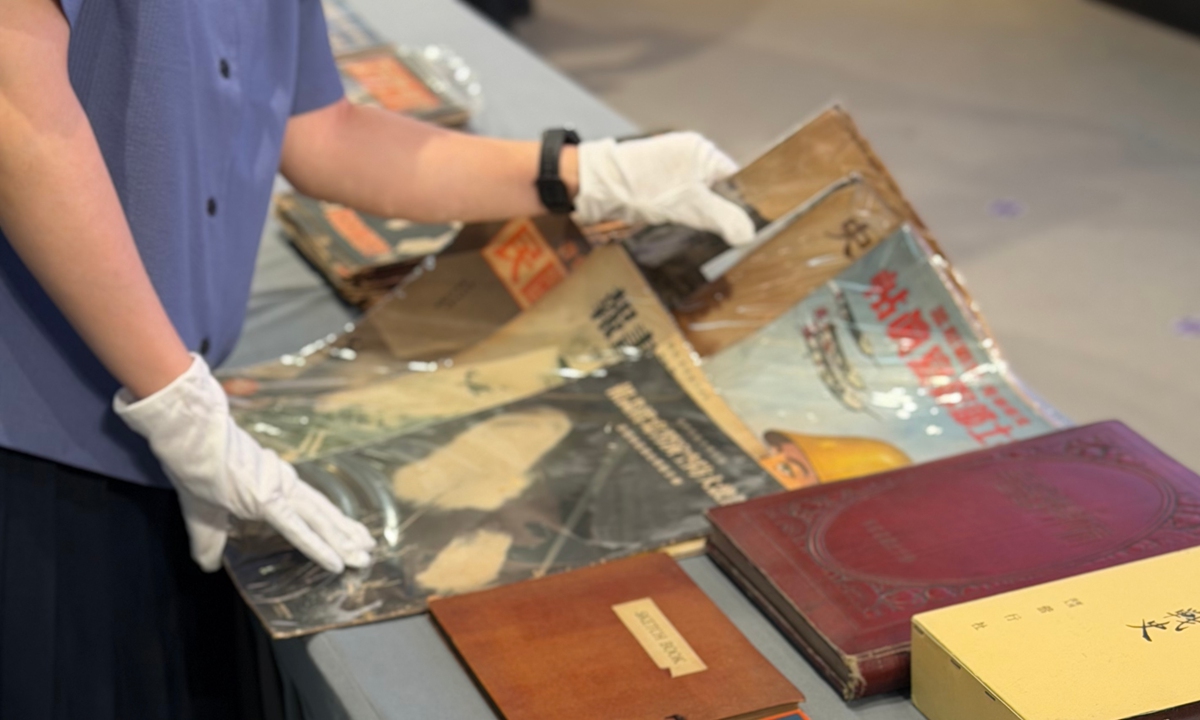
Zhou said that preserving history and historical records was once widely seen as the responsibility of museums, cultural institutions and professional scholars; however, today, more and more private collectors are taking the initiative, spending their own money to collect historical materials scattered across China and overseas.
Historical memory, he said, needs to be passed down from one generation to the next. The donors come from different generations, nationalities and backgrounds, but share a common respect for historical truth and commitment to justice.
Since the beginning of this year, the memorial hall’s Nanjing Massacre Documents Center has launched a global campaign to collect relevant historical materials, receiving support from various sectors both in China and abroad. Nearly 100 donors from China and overseas have so far contributed materials to the memorial hall, Zhou said.
。 AI摘要 厦门“文旅直通车”走进宁夏闽宁镇,开展文化志愿服务与直播推介。活动融合非遗交流与文艺展演,推广精品旅游线路,深化闽宁文旅协作,助力两地民心相通与产业富民。 8月22日至23日,由厦门文旅打造的“文旅直通车”,来到宁夏银川闽宁镇,进行为期两天的文化志愿服务和文旅协作大直播。“直通车”把厦门非遗、艺术歌舞、厦门摄影图片展等带到了西北塞上,也通过直播镜头把闽宁镇的农文旅产品推介给厦门市民和世界游客。未来几天,“文旅直通车”还将走进我市对口帮扶的彭阳县、泾源县,活动将持续至26日。

二 | 本次活动是厦门市文旅局落实闽宁对口协作部署的具体举措,也是厦门文化成果走进西北、深化两地民心相通的重要载体。“直通车”文旅融媒体直播采用“厦门演播厅+闽宁镇现场”“实地体验+引客带货”双模式,全景式呈现闽宁协作三十年来的发展成就与两地文化交融的生动图景。

三 | 当“直通车”的直播镜头转至宁夏闽宁镇原隆村,第十四批援宁工作队闽宁镇工作组组长李臻卓向观众讲述闽宁镇的命名由来与发展变迁,并重点推介了闽宁镇“葡萄酒+文化旅游”融合发展模式,解读当地如何以葡萄种植为基础延伸出酒庄集群与文旅业态。 闽宁两地非遗、旅游项目的互动交流是“直通车”一大亮点。厦门非遗代表性传承人与宁夏本土非遗从业者现场展示技艺,交流“非遗”从保护到运用,从文化符号展示到旅游产品开发的经验。“直通车”在直播中,推广了厦旅国际、建发国旅、厦航国旅全新上架的“厦门—银川—固原”精品旅游线路产品,助推两地旅行机构联动拓展客源市场,推动产业协作走深走实。 “直通车”开进闽宁镇期间,两地专业文艺工作者与群众文艺爱好者还同台献艺,开展“闽宁文化大舞台”文艺展演。

四 | 展演节目既汇集专业院团的精品创作,也包含群众自发参与的文艺项目,充分展现两地群众文化的蓬勃生机与文化交融的民心温度。 市文旅局相关负责人表示,本次“直通车”融合了“文化交流惠民”与“引客协作富民”,是对协作历程的文化回望。厦门将开启两地文旅深化合作的全新模式,以厦门为平台,着力推广宁夏特别是我市对口协作的银川闽宁镇、固原市彭阳县、泾源县旅游新业态和新产品,发挥厦门作为“中国入境游十大城市”的优势,全力做好厦门至宁夏国际游客联程旅游。(厦门日报记者 邬秀君)。

五 |
Current article:http://xvpyebk.fanfutaopoulaxiong.pics/0302b/9gua2.html
Published on:17:47:57
刀马旦_Random reading
- 08-24研究:严重的Facebook用户的决策能力受到了与吸毒者相当程度的损害。
- 08-22首发 | 华为、腾讯、阿里都在用的数据服务商,融了近亿
- 08-26AI建站完成后,别忘了做GEO,让AI搜索引擎看见你
- 08-25查尔斯威廉久违同框,国王把32年指挥权交给长子,哈里听闻“泪流满面”
- 08-23WTT冠军赛继续鏖战 国乒一姐复出获两连胜
- 08-20连买两天!蔡崇信再增持约8200万港元阿里股票 两天累计增持1.6亿港元
- 08-26LIVE UPDATES: Jeremy Hunt Backs Rishi Sunak to Become Next Tory Leader
- 08-22拼多多弱付费玩法的3个步骤
- 08-220-2,首败!中国男足爆冷失败,无缘季军仍创最佳,排名比日本高
- 08-23【IT之家开箱】喜马拉雅小雅纳米智能音箱图形赏析:小体、大内容

尼基塔第三季_Active users
- 《混合団体で銅メダル》高梨沙羅の年収「1億円超え」報道にヤフコメの反応「欧州ではセレブの地位を確立」「女子ジャンプのまさにパイオニア」
- 【东兴集团| 保教队伍】寻找发光的你——合肥市东兴幼教集团教师招聘公告
- 米体:米兰对莱奥估值5000万+1000万欧寸步不让,目前局面较棘手
- 黄仁勋再次演唱:摩尔定律不复存在
- Man gets 18 months in federal prison for repeated racist phone calls made to a church
- 王思远:让多宝鱼“跃”向更广的市场
- 奇妙的中微子:物理学家一直在寻找的幽灵粒子
- 定制AI婚纱照 新人有了新选择
- 泉河水磨历沧桑
- 波兰恢复在华15处签证中心
- 英伟达财报即将登场!高盛:若不释放这三大利好 股价恐仍将下行
- SL paddy stocks disappear
- 印度天空现神秘光点:密密麻麻连成线 宛如“空中列车”_网友_李萌
- Bihar Politics: फ्रंट सीट से राहुल गांधी ने युवाओं को दिया 'फ्रंट' का मैसेज, 4 सीटों पर फील्डिंग सेट
- 既当国会议员又当地区议员,他拿两份薪水,总理表示“不接受”,结果……
- Climate change sees IOC aim to choose 2030 and 2034 Olympics hosts at same time
- 河北新乐一越野车在河道越野时遇险,目击者:落水者近4小时后才被捞起
- 工信部:促进6G产业成熟和生态构建,为6G商用做好准备
千王之王重出江湖_Hottest this week
- 08-26纵横谈|让生态环境法典更好守护生活日常
- 08-21乐山市:到2030年,打造5个以上国省级先进制造业集群
- 08-22史诗级IPO前再释炸裂数据!Anthropic预计潜在市场规模超30万亿美元
- 08-26「リブート」次回予告に一瞬 まさか長身女優に騒然 突然の衝撃結婚から11年「おった!?」「出てくるの!?ただの奥さんなわけが」「久しぶりに見た」
- 08-26Stein:科沃尔工作4年后与老鹰友好协商离任
- 08-21国产“深海空间站”80米海底成功换刀
- 08-23华硕ROG XBOX掌机X 20周年版发布:首发7.4英寸星云原画屏、升级TMR摇杆
- 08-20来自纳达尔的暖心问候❤️阿卡:鼓励我在接下来的赛事中全力以赴
- 男人帮 copyright
- Some of the content comes from the Internet. If you have any offence, please raise it.